Category "BLOG"

High school seniors share struggles with eating disorder to inspire others

February 12, 2025

High school seniors share eating disorder struggles to inspire…

CHARLOTTE — Teenagers face mounting pressure to look a certain way or try new things to stay thin due to everything between online influencers and diet culture.

Over 30 million people across the U.S. suffer from eating disorders, with 95% of them beginning in adolescence, according to the National Eating Disorder Association.

Two high school seniors spoke with Channel 9’s Union County reporter, Gina Esposito, about their struggles and how they turned their pain into support for others.

“I passed out in my biology class sophomore year because I hadn’t eaten,” said student Sophie Vasic, a senior at Marvin Ridge High School.

Vasic said she remembers skipping meals over exercising, criticizing her body, and feeling “humiliated. I didn’t want to tell people about it.”

Little did Vasic know that her friend, Pari Patel, another senior at her school, was also struggling with anorexia.

“I would honestly contribute my first bad thought about my body to like sixth grade,” Patel said. “She shared a lot of similar thoughts I did, and I just remember feeling nothing but concern for her. And that concern sparked a thought in me. Why am I concerned for my friend and not myself?”

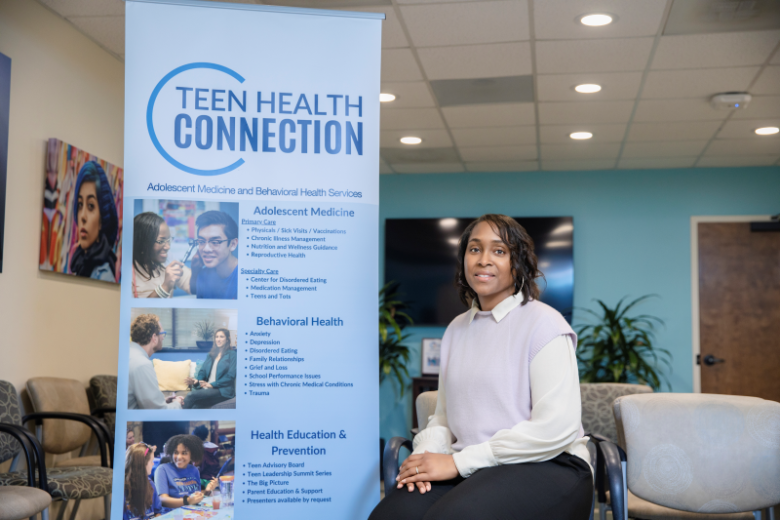
Betsy Thompson, with Teen Health Connection, said she’s seen how eating disorders can consume a teenager’s every waking thought.

“Those thoughts are loud, right?” said Thompson, licensed mental health counselor and manager of Behavioral Health Services at Teen Health Connection.

The organization offers many programs, services, advocacy, and more to help improve the health of adolescents.

“Our eating disorder work here continues to grow with the trends on social media and diet culture, in general, and just all the other things,” Thompson said. “It is just one more thing that teens are having to navigate.”

Thompson works with dietitians and doctors to create treatment plans for 11- to 25-year-old clients.

Dr. Shamika Dixon said 75% of teens they see are girls struggling with anorexia, which can be deadly if left untreated.

“I always tell parents, ‘You must pay attention,’” said Dixon, M. D., Adolescent Medicine specialist.

Dixon said parents need to know how they can help.

“The ultimate goal is helping you and your child relearn what it is to eat, to nourish and feed their body and to deal with the thoughts and the feelings that led them here, so that they can go on to live healthy lives,” Dixon said.

It often takes more than professional help.

Leaning on each other led to healthier habits for Vasic and Patel.

“Something we did a lot was trying new stuff together to try and motivate ourselves to eat,” said Patel.

The girls also help each other limit triggers on social media and said they no longer compare their bodies to those of influencers.

“I’m glad I get to that point, but I know so many young girls are not at that point,” Vasic said. “They see it, and they get stuck on it. They think, ‘Why don’t I look like that? How do I look like it?’”

The girls started the nonprofit, Love Everybody, which focuses on raising awareness about all eating disorders and connecting people to resources.

Twenty people have reached out with many of them being their peers.

Many of them just wanted someone to talk to and affirm that they are not alone.

They hope that by sharing their stories, others will get help, which could be life-changing.

“When I look at Sophie, I don’t ever see who what she looks,” Patel said. “I see my friend who is caring and sweet, who makes me laugh. Losing that person when she was going through the depths of her eating disorder was really heartbreaking and to see who she is now, now that she’s better, is my favorite thing.”

Media Source

By WSOCTV.com News Staff
February 09, 2026 at 11:27 pm EST

Comprehensive Suicide Prevention: Understanding Adverse Childhood Experiences (ACEs)

September 4, 2024

Comprehensive Suicide Prevention: Understanding Adverse Childhood Experiences (ACEs)

Be sure to watch the vignette above from Teen Health Connection’s The Big Picture titled “The ACEs Test” for a look at the types of experiences considered to be Adverse Childhood Experiences. Knowing your score can help you, and your healthcare provider, make informed decisions about your care.

What are Adverse Childhood Experiences (ACEs)?
Adverse Childhood Experiences (ACEs) are potentially traumatic events that occur in childhood but cause pervasive effects on health throughout the lifetime. ACEs may occur inside or outside the home, and include events such as child abuse, neglect, food insecurity, violence, deportation, and bullying. These experiences can have profound and lasting effects on an individual’s health and well-being and can be influenced by individual, family, and community factors. ACEs impact not only mental health, but also significantly increase the risk of physical health conditions.

Are ACEs Common?

  • About 64% of adults in the United States reported they had experienced at least one type of ACE before age 18.
  • Nearly one in six (17.3%) adults reported they had experienced four or more types of ACEs.

What’s the link between ACEs and suicide?
Suicide and ACEs are both complex topics, influenced by a variety of compounding factors. However, the link between increased ACEs and increased suicidality is clear.
Research has consistently shown a strong correlation between ACEs and an increased risk of suicide. Individuals who have experienced six or more ACEs are over 24 times more likely to attempt suicide compared to those with no ACEs (Merrick, 2017). This heightened risk is due to the toxic stress caused by ACEs, which can negatively affect brain development, immune systems, and stress-response systems (CDC).
ACEs have a “dose-response relationship,” meaning the more ACEs an individual has experienced, the greater likelihood of suicidal ideation and other negative health outcomes (Merrick, 2017). You can’t lower your ACE score, but you can mitigate the risk.

Do ACEs increase risk for other conditions?
ACEs are associated with at least 5 out of the 10 leading causes of death, including heart disease and cancer. Preventing ACEs could potentially reduce many health conditions, including depression and suicidality. Estimates show up to 1.9 million heart disease cases and 21 million depression cases potentially could have been avoided by preventing ACEs (CDC).

What can family and community members do?
Preventing ACEs and mitigating their effects is crucial for reducing suicide rates. Communities can create supportive environments for children, providing mental health resources, and addressing social determinants of health such as poverty and discrimination. By understanding the profound impact of ACEs on mental health, we can take steps to support those affected and work towards a future where fewer individuals are at risk of suicide.
Creating safe, stable, nurturing relationships and environments for all children can prevent ACEs and help all children reach their full potential. We each have a role to play in empowering every adolescent to be healthy, safe, and successful.

How can Teen Health Connection help?
Teen Health Connection is proud to practice Trauma-Informed Care. Our behavioral health clinicians are trained to assist adolescents in navigating and understanding trauma. If you’d like to learn more about behavioral health services, call triage at (704) 381-8379.

If you or someone you know is struggling with suicidal thoughts, please seek help immediately. Contact the National Suicide Prevention Lifeline by calling or texting 9-8-8 or by visiting 988LifeLine.org.

Resources

About Adverse Childhood Experiences | Adverse Childhood Experiences (ACEs) | CDC

Merrick, M. T., Ports, K. A., Ford, D. C., Afifi, T. O., Gershoff, E. T., & Grogan-Kaylor, A. (2017). Unpacking the impact of adverse childhood experiences on adult mental health. Child abuse & neglect69, 10–19. https://doi.org/10.1016/j.chiabu.2017.03.016


Summer Smarts: How to Stay Safe and Have Fun in the Sun

June 19, 2024

Summer Smarts: How to Stay Safe and Have Fun in the Sun

Summer is here, and that means fun in the sun, pool parties, road trips, and outdoor adventures. While you are out having a blast, it is important to remember to stay safe. Here are some tips to help you make the most of your summer safely.

Water Safety

Swimming is a great way to cool off, but it is important to stay safe in the water. Drowning is a leading cause of unintentional injury-related death among children ages 1-4 and remains a significant risk for teens. Pools are not the only concern – 40% of drownings among children aged 5-14 occur in natural water settings like lakes and rivers (CDC).

Safety Tips

  • Always swim with another person and make sure there is an adult or lifeguard watching.
  • If you do not know how to swim, consider taking lessons.
  • Wear life jackets when boating or doing water sports.
  • Do not swim if you are tired or after eating a large meal.

Sun Protection

Summer is the perfect time for outdoor physical activity, reducing stress, and getting Vitamin D. However, sunburns can ruin your summer fun and increase the risk of skin cancer later in life. Even on cloudy days, UV rays can still cause damage (CDC).

Safety Tips

  • Use sunscreen with at least SPF 30 and reapply every two hours, or more often if you are swimming or sweating.
  • Sun Protection Factor, or SPF, is a number that rates how well the lotion filters out UV rays, with higher numbers indicating higher protection.
  • Wear hats, sunglasses, and protective clothing.
  • Seek shade during the peak sun hours from 10AM to 4PM.

Health-Related Illnesses

Summer temperatures can get intense, so it is crucial to stay hydrated and cool. Did you know that over 9,000 kids end up in the emergency room each year due to heat-related incidents (CDC)? The signs of a heat-related illness are:

  • Increased Thirst
  • Weakness
  • Fatigue
  • Muscle Cramps
  • Nausea
  • Vomiting
  • Irritability
  • Headaches
  • Sweating
  • Cool/Clammy Skin
  • Increased Body Temperature
  • Fainting

To avoid these symptoms, follow these safety tips:

  • Drink plenty of water, even if you are not thirsty.
  • Take breaks in the shade or indoors to cool down.
  • Wear light-colored, loose-fitting clothes.
  • Avoid intense activities during the hottest parts of the day.

Road Safety

Summer means road trips and more driving, which unfortunately means more car accidents. July and August have the highest number of motor vehicle crash deaths (NHTSA).

Safety Tips:

  • Put your phone away while driving to avoid distractions.
  • Never get behind the wheel or in the vehicle of someone who has been drinking or using drugs.
  • Make sure everyone wears their seatbelt.
  • Follow speed limits and be cautious, especially on unfamiliar roads.
  • Food Safety

Summer picnics and barbecues are great, but food poisoning can ruin your day. Warmer weather means that bacteria will grow faster, which in turn can make you very ill (USDA).

Safety Tips

  • Keep raw meat separate from other foods and use different plates and utensils for cooked and raw foods.
  • Cook meat to the right temperature to kill harmful bacteria.
  • Refrigerate leftovers right away to prevent them from spoiling.
  • Wash your hands and surfaces often to avoid spreading germs.

By keeping these tips in mind, you can have a fantastic and safe summer. A little bit of caution can help you avoid accidents and stay healthy while you enjoy all the fun activities the season has to offer. Stay safe, have fun, and make the most of your summer!

Resources

Centers for Disease Control and Prevention. “Summer Swim Safety.” CDC, 9 May 2024, https://www.cdc.gov/drowning/prevention/summer-swim-safety.html.

Centers for Disease Control and Prevention. “Sun Safety Facts.” CDC, 1 July 2024, https://www.cdc.gov/skin-cancer/sun-safety/index.html.

Centers for Disease Control and Prevention. “ Symptoms of Heat-Related Illness.” CDC, 15 February 2024, https://www.cdc.gov/extreme-heat/signs-symptoms/index.html.

National Highway Traffic Safety Administration. “Traffic Safety Facts: A Compilation of Motor Vehicle Crash Data.” NHTSA, July 2023, www.nhtsa.gov/research-data/traffic-records.

United States Department of Agriculture. “Summer Food Safety.” USDA, 15 June 2023, https://www.fsis.usda.gov/food-safety/safe-food-handling-and-preparation/food-safety-basics/how-temperatures-affectfood.

Pass the…Trauma?

March 25, 2024

Pass the…Trauma?

It’s well known that we get our eye color and height from our parents. But did you know that trauma can also be passed down? Emotional or psychological trauma is defined as a deeply distressing or disturbing experience – like abuse, violence, grief, or loss. Author Resmaa Menakem explained that “trauma is a wordless story our body tells itself about what is safe and what is a threat.”

According to the World Health Organization, 70% of people will experience trauma in their lifetime. Trauma involving interpersonal violence has the highest risk for diagnosis of Post Traumatic Stress Disorder (PTSD). Sexual violations and assault account for over 42% of PTSD diagnoses. Adverse childhood experiences (ACEs) such as violence in the home, substance abuse, parental mental illness, chronic instability, homelessness, and food insecurity are all considered forms of childhood trauma.

So, how does trauma get passed down?

There are different pathways that trauma can creep from one generation to the next. One obvious way is through behavior and modeling. A child who witnesses a parent being physically violent may become physically aggressive in their future relationships.

Trauma, even hidden trauma like molestation, can become normalized within the family unit; it seeps in and becomes part of the family norms. Family members learn to “deal with it,” keep it quiet, or ignore it. Family secrets fester in avoidant silence. Once it leaches into the family’s tapestry, unprocessed trauma gets passed down to future generations.

Another pathway is through genes. There is a growing body of research that has discovered a genetic component to trauma. You may hear the term “epigenetics,” which, simplified, is whether the expression of a gene is turned on or off. Epigenetics helps to explain how information can be carried or transferred through the genes from a parent to their offspring.

A research team at Mt. Sinai School of Medicine in Manhattan, NY found that pregnant women who had been exposed to the World Trade Center attacks (“9-11” terrorist attacks) transmitted trauma to their unborn fetuses. The researchers measured stress hormones and found abnormal levels in both the mothers and their babies. Experiencing trauma in the third trimester seemed to have the most prominent effects (Yehuda, 2022).

Trauma that makes its way into our “gene expression” can cause us to be more susceptible to its effects. This genetic predisposition can impact how someone responds to and/or recovers from trauma or adverse experiences. From the book, My Grandmother’s Hands, our bodies store trauma and “intense survival energy” which is then passed down to our children and grandchildren.

So how do we interrupt these patterns? One place to start is to trace the family history of trauma, as well as the ways in which your family members and cultural group/s have shown resilience. Determine how anger, stress, or emotional numbing may be tied to your family’s history. Learn how to manage “activators” or things that cause trauma/stress reactions in your family. Seek help from a mental health professional (therapist) who can help you identify adaptive ways of coping and can offer tools for working through trauma.

There are things you can do, starting now, to interrupt cycles and move toward healing.

  1. Unaddressed behavioral health disorders
  2. Practice anchoring and grounding through deep breathing, listening to soothing sounds, resting, meditating, or praying
  3. Use multi-sensory calming techniques: visual imagery + body scanning + soothing sounds + warmth or cooling on your skin.

My personal favorite is journaling. Here are some journal prompts that can guide your narratives:

  • What do I know about my family’s trauma history?
  • How does hurt from my past show up in my current life?
  • Dear younger self…
  • Love letter to myself…
  • What is a healing practice in my family or culture that I can implement in my life?

Dr. Cochran works with Teen Health Connection’s Independent Psychological Assessment program, providing in depth clinical assessments, history review, and extensive recommendations for youth entering the custody of the Department of Social Services-Youth and Family services due to abuse, neglect, or dependency. In her daily work, Dr. Cochran sees the impact of intergenerational trauma unfold in the youth and families she serves. The trauma-informed assessment practice of the IPA program helps to link youth and families with care and supports to address the multiple layers of intergenerational trauma.

Howie H, Rijal CM, Ressler KJ. A review of epigenetic contributions to post-traumatic stress disorder. Dialogues Clinical Neuroscience. 2019 Dec;21(4):417-428. doi: 10.31887/DCNS.2019.21.4/kressler. PMID: 31949409; PMCID: PMC6952751.

Isobel S, McCloughen A, Goodyear M, Foster K. Intergenerational Trauma and Its Relationship to Mental Health Care: A Qualitative Inquiry. Community Ment Health J. 2021 May;57(4):631-643. doi: 10.1007/s10597-020-00698-1. Epub 2020 Aug 17. PMID: 32804293.

Kessler RC, Aguilar-Gaxiola S, Alonso J, Benjet C, Bromet EJ, Cardoso G, Degenhardt L, de Girolamo G, Dinolova RV, Ferry F, Florescu S, Gureje O, Haro JM, Huang Y, Karam EG, Kawakami N, Lee S, Lepine JP, Levinson D, Navarro-Mateu F, Pennell BE, Piazza M, Posada-Villa J, Scott KM, Stein DJ, Ten Have M, Torres Y, Viana MC, Petukhova MV, Sampson NA, Zaslavsky AM, Koenen KC. Trauma and PTSD in the WHO World Mental Health Surveys. Eur J Psychotraumatology. 2017 Oct 27;8(sup5):1353383. doi: 10.1080/20008198.2017.1353383. PMID: 29075426; PMCID: PMC5632781.

Ullah H, Ahmad H, Tharwani ZH, Shaeen SK, Rahmat ZS, Essar MY. Intergenerational trauma: A silent contributor to mental health deterioration in Afghanistan. Brain Behavior. 2023 Apr;13(4):e2905. doi: 10.1002/brb3.2905. Epub 2023 Feb 27. PMID: 36847689; PMCID: PMC10097044.

Yehuda, R. (2022, July 1). How Parents’ Trauma Leaves Biological Traces on Children. Scientific American. https://www.scientificamerican.com/article/how-parents-rsquo-trauma-leaves-biological-traces-in-children/

Safe Love Could Be Misinterpreted

February 5, 2024

Safe Love Could Be Misinterpreted

The start of teenage dating is a stressful moment for any parent as they see their child growing up.  Conversations around dating and romance are usually never easy!  But it is important to have conversations about relationships, respect, and safety, and to establish yourself as someone your teen can always turn to for relationship advice or protection.
According to the Centers for Disease Control and Prevention (CDC), 1 in 12 adolescents in the United States have experienced physical or sexual dating violence.

  • 7.2% of heterosexual students have reported physical violence, while 13.1% of gay, lesbian, and bisexual students and 16.9% of questioning students have experienced physical dating violence.1
  • 9.3% of adolescent females and 7% of males reported that they have experienced physical dating violence.1
  • 12.6% of females and 3.8% of males reported having experienced sexual dating violence.1
  • 6.7% of heterosexual students, 16.4% of gay, lesbian, and bisexual students, and 15% of questioning students reported that they had experienced sexual dating violence.1
  • 65.5% of adolescents report being victims of psychological dating violence, making it the most common form of dating violence among adolescents.2
  • Around 48% of adolescents were victims of stalking or harassment by a former or current partner.3

Look Out for Signs of Teen Dating Violence

It can be challenging to recognize the signs of an unhealthy relationship, whether it be a teen’s own relationship or that of one of their friends.
Someone might be in a potentially unsafe relationship if their partner:

  • Makes frequent calls or texts to find out where they are, who they are with, or what they are doing\
  • Is jealous, possessive, or controlling
  • Makes false accusations
  • Has unexpected moments of anger or rage or an explosive temper
  • Ignores their opinion
  • Keeps them away from friends or family
  • Does not let them do what they like
  • Follows them or shows up uninvited
  • Invades their privacy
  • Gets angry very quickly or fights a lot
  • Threatens suicide or self-harm
  • Threatens to hurt them or someone in the family
  • Refuses to accept when a relationship is ended
  • Uses alcohol or drugs and expects them to do so as well
  • Touches or kisses them when they do not want to be touched
  • Forces intimacy
  • Taunts or bullies them
  • Destroys their property
  • Threatens physical violence
  • Shoves, punches, slaps, pinches, kicks, hits, or hurts them in any physical way

Consequences of Teen Dating Violence

Ending an unsafe relationship is hard. The majority of girls who experience violence in an intimate relationship continue to date that individual. The consequences of staying in these relationships are far worse than the difficulty to leave. According to the CDC, adolescents who have or are experiencing dating violence are more likely to:

  • Experience higher rates of depression and anxiety.
  • Exhibit antisocial behaviors, such as lying, bullying, theft, or physical violence.
  • Engage in unhealthy behaviors, like using alcohol, tobacco, or drugs.
  • Contemplate suicide.

Tips for Adults

Parents, caregivers, and other trusted adults need to have conversations with teens about their relationships. Below are some of the ways parents can help empower and foster healthy relationships with their teens:

  • Recognize Red Flags: Be vigilant for warning signs in your teen’s relationships.
  • Encourage Open Dialogue: Foster a safe space for open communication, ensuring your teen feels comfortable discussing relationships, consent, and any concerns they may have.
  • Educate on Boundaries: Teach the importance of setting and respecting healthy boundaries, emphasizing the significance of mutual consent in all interactions.
  • Build Self-Esteem: Support your teen in cultivating a high sense of self-worth. Individuals with high self-esteem are less likely to tolerate abusive behavior.
  • Teach Digital Safety Awareness: Educate teens about online safety, addressing the risks of cyberbullying and promoting responsible social media use.
  • Promote Support Networks: Stress the value of a strong support system by encouraging your teen to build connections with friends, family, and mentors.
  • Attend Community Events: Engage in community workshops or events, especially during Violence Prevention Month, to gather insights and resources for preventing teen dating violence.
  • Know Available Resources: Familiarize yourself with educational programs and resources aimed at helping teens understand healthy relationships.
  • Be Proactive: Actively participate in efforts to prevent teen dating violence, both at home and within the community.
  • Practice Conflict: Disagreement is unavoidable in any relationship. Teach your teen to “fight fair” and negotiate disagreements respectfully, and to expect this in return.

Want more information on teen dating violence?

  •  Talk to Teen Health Connection’s parent educator about more ways to discuss teen dating violence with your teen (Kris.Hawkins@TeenHealthConnection.org/704-381-8333)
  • Talk to Teen Health Connection’s triage therapists if you’re worried about your teen being in or recovering from a violent relationship (704-381-8379)

Resources to Help End Teen Dating Violence

Know the resources to help those who have or are currently experiencing teen dating violence both in Charlotte and throughout the country.

  • Teen Health Connection: 704-381-8379
    • Our behavioral health triage team can help connect teens to one of our behavioral health therapists to help in addressing the effects of being in a violent relationship and the many ways to begin healing from this trauma.
  • The National Domestic Violence Hotline: 1-800-799-SAFE (7233) or 1-800-787-3224
    • This line helps to provide crisis intervention, information, and referral to victims of domestic violence, perpetrators, friends, and families. The number is toll-free, confidential, and anonymous.
  • The National Centers for Victims of Crime -1-800-FYI-CALL
    • This line can help find local victim services counselors for young people in need of help.
  • The National Dating Abuse Hotline: 1-866-331-9474
    • This is a national 24-hour resource line specifically for teens and young adults. It is accessible by phone or online chat and offers real-time, on-on-one support.
  • Mecklenburg County Prevention and Intervention Services: 704-336-3210
    • Specializes in domestic violence and substance use services for those in Mecklenburg County.

References

1 “Fast Facts: Preventing Teen Dating Violence | Violence Prevention | Injury Center | CDC.” Centers for Disease Control and Prevention, Centers for Disease Control and Prevention, 27 Jan. 2023, www.cdc.gov/violenceprevention/intimatepartnerviolence/teendatingviolence/fastfact.html.

2 Literature Review: Teen Dating Violence.” Office of Juvenile Justice and Delinquency Prevention, https://ojjdp.ojp.gov/model-programs-guide/literature-reviews/Teen- Dating-Violence#2-0

3 Rothman, E.F., Bahrami, E., Okeke, N., and Mumford, E. 2021. Prevalence of and risk markers for dating abuse–related stalking and harassment victimization and perpetration in a nationally representative sample of U.S. adolescents. Youth & Society 53(6):955–978.

Setting and Keeping Boundaries with Your New Year Resolutions

January 3, 2024

Setting and Keeping Boundaries with Your New Year Resolutions

Wait! It’s not About Weight!

Setting and Keeping Boundaries with Your New Year Resolutions

Every year, teens and adults make New Year resolutions related to their health. “Eat healthier,” “exercise,” “lose weight.”

Being mindful of how we set our intentions, and how we communicate them to others, can have a big impact. The messages we send to our teens about their health when talking about resolutions can have a lifelong impact.

-Worldwide, over 70 million people have an eating disorder, including 5.5 million people in the United Sates (Deloitte, 2020).

-One in seven men and one in five women experience an eating disorder by age 40. In 95% of cases, these disorders began by age 25 (Ward et al., 2019).

-During the COVID-19 pandemic, the proportion of emergency department visits related to eating disorders increased dramatically, doubling for adolescent girls (CDC 2022).

Define your goals so your goals don’t define you:

If you or someone in your life made resolutions about their health, take a moment to better define and set boundaries for these goals. Don’t set goals in terms of pounds lost or hours in the gym. Focus on how these goals benefit your health and wellbeing overall.

Focus on the fun:

  • Get active: Pick an activity you enjoy and get moving. Switch it up and have a dance party. Teens should be active for 60 minutes every day, but only 33% of Charlotte Mecklenburg High School students follow this advice 5 days/week (YRBS, 2021).
  • Use the buddy system: Exercise with friends. Make meals with family members. Turn your goals into opportunities to interact and get support.
  • Be specific about eating habits you want to change or adopt:
    • Snack intentionally: Choose whole foods (veggies, fruits, hard-boiled eggs) and brands that use natural, plant-based ingredients. Don’t keep problem foods around!
    • Eat more…

-Berries: Not only are they delicious but they have a variety of disease-fighting properties and even help to reduce cholesterol and regulates blood sugar.

-Fiber: Fiber helps lower cholesterol, regulates blood sugar, and helps you feel full for longer.

-Family meals: Learn about the nutritional properties and cultural importance of the foods you eat to help you be more mindful of what you eat.

  • Think about the bigger implications of your goals:
      • Teens who regularly eat breakfast score higher on standardized tests, have higher attendance rates, and have fewer behavioral and educational problems

Tips for Parents from our Parent Educator:

  • Communication is Key: Just as a balanced diet and regular exercise are essential for physical health, a robust parent-teen relationship forms the foundation for emotional and mental well-being. Trust and open communication create an environment where teens feel secure and supported. When teens feel understood and accepted by their parents, they are more likely to make healthy choices in terms of diet, exercise, and lifestyle.
  • Lead by Example: When parents model positive habits and engage in open conversations about nutrition and exercise, teens are more likely to adopt a similar approach. Shared family meals create an environment where healthy eating becomes a natural part of everyday life.
  • Quality Time: Engaging in activities together, whether it’s a family hike, game night, or a shared cooking experience, fosters emotional bonds as well as a healthy lifestyle, improved cortisol levels and better overall physical health.
  • Respect Autonomy: While it’s essential to be involved, respect your teen’s need for independence. Involve your teen in the decisions related to food choices and physical activities.

It’s not uncommon for teens to struggle with their health, body image, and self-esteem, especially with the power of today’s social media and the stressors of today’s schools and peer groups. These struggles, when not addressed, can lead to devasting consequences and lifelong challenges. It is estimated that 75% of people with an eating disorder don’t seek professional care (Hart et al., 2011).

Teen Health Connection has programs and services to prevent and intervene with these challenges. If your family is struggling with disordered eating or other health habits, or if you want more information on prevention and supporting your teens’ well-being, connect with our multidisciplinary team.

Reflect and Reset this Holiday Season

November 29, 2023

Reflect and Reset this Holiday Season
Discussing Resolutions for You and Your Teen

In this holiday season, many of us use the time to look back and reflect on what we have accomplished throughout the year and we begin to look forward to what we would like to strive to achieve in the next. Take time over the holidays to think about what is important to you, talk to your family members, and set meaningful goals. Be ready to step into 2024 the moment the clock strikes midnight on December 31!

One of the hardest things to do after setting a resolution for the new year is holding yourself accountable to reach your goal. It can help to set goals and work alongside someone else to encourage each other. For this New Year, help to improve yourself and your relationship with your family by setting goals together and working together to reach them. Below are some resolution ideas to help get you started.

Adolescent Resolutions

  • Get between 8 to 10 hours of sleep each night.
  • Seek more advice and feedback from trusted adults.
  • Find your hobby and practice ways to handle stress such as reading, meditation, playing music, arts and crafts, or other interests.
  • Take care of yourself both physically and mentally through exercise, good nutrition, and self-care
  • Challenge yourself educationally – want to raise your grade? Apply to college? Learn a new subject?
  • Volunteer in your community or become part of a community group to help others.
  • Commit to staying alcohol, tobacco, and drug-free in 2024!

Adult/Parent Resolutions

  • Schedule regular time with your teen and do a family activity together, such as volunteering in the community, having a movie night once a week, or a weekly game night.
  • Take time every day to practice active listening. Communicate and listen to your teen and find out what they really think about their friends, school, current events, and their future.
  • Find ways to encourage your teens to be more independent and to not be afraid to make mistakes. This can help them both learn and grow as an individual.
    • Adults: Take a free parent education class or talk to our parent educator to learn more about supporting your teen’s independence.
  • Cook family meals all together to share your culture and traditions, encourage good nutrition, and create memories.
  • Schedule all your family’s preventative medical, dental, and vision visits and talk about the importance of healthcare with your teen.
  • Model positive behaviors such as good nutrition and exercise, and responsibility around alcohol for your teen.

No matter what resolution(s) you choose for the New Year, it is all about being the best versions of yourselves physically, mentally, and emotionally. Focus on positive goals, like home-cooked meals and running longer distances, rather than counting calories or hours at the gym. Make them achievable and enjoy the process! Working together as a family can help strengthen your relationships and cultivate positive household habits – even if there are some bumps along the way!

Use this time over the holiday season to talk with your teen about what you each hope to achieve in the New Year and how you both can work together towards these goals.

Remember – we’re here to help!

Unwrap the Joy: Tips for a Substance-Free Holiday Break with Your Teens

November 29, 2023

Unwrap the Joy: Tips for a Substance-Free Holiday Break with Your Teens

As the winter holidays approach, our thoughts turn to festive gatherings, twinkling lights, and the joy of spending quality time with loved ones. It’s a time of celebration and connection, but as parents, caregivers, and mentors, it’s crucial to address the challenges our teens may face, especially when it comes to substance use risk.

WHY Discuss Substance Prevention During the Holidays?

The Holiday season, with all of its social events and increased independence for teens, can present unique challenges. While we want our young people to enjoy the festivities, it’s essential to equip them with the knowledge and tools to make healthy choices. Substance prevention conversations are not about dampening the holiday spirit but about fostering a sense of responsibility and empowerment.

Initiate Open and Honest Conversations

Approaching the topic of substance prevention may seem daunting, but open communication is key.  Ask open-ended questions about the news, events, or celebrities that they know about.  Be informed and explore your community’s data on teen substance use and risk (check out the CDC’s Youth Risk Behavior Survey).  Create a safe space for dialogue by actively listening to your teen’s thoughts and concerns and seek out new information together.

Set Clear Expectations and Consequences

During the holiday season, when routines may be more relaxed, it’s essential to maintain clear expectations regarding behavior. Reinforce the importance of responsible decision-making and establish consequences for violations. Ensure your teens understand the potential risks associated with substance use, both short-term and long-term.  Share your expectations, but also encourage them to express their own preferences, values, and boundaries.  Make sure everyone is in agreement with the expectations and consequences.

Promote Healthy Alternatives

Encourage your teens to engage in positive and fulfilling activities during the holidays. Whether it’s volunteering, pursuing hobbies, or spending quality time with family and friends, these alternatives divert teens from substance use opportunities, and also contribute to personal growth and well-being.

Seek Support and Community Resources

If you find that your teen is struggling or if you need additional guidance, don’t hesitate to seek support.

Teen Health Connection’s behavioral health triage clinicians at (704) 381-8336 can provide information on community services and resources as well as our own behavioral health care and prevention programs.

For more specialized substance use assessment and treatment services:

The Dilworth Center

Youth Substance Use Assessment and Prevention Programs
(704) 372-6969

Anuvia
Youth Substance Use Prevention and Intervention Programs
(704) 376-7447

As we navigate the holiday season, let’s prioritize the well-being of our teens by fostering open communication, staying informed, and promoting responsible choices. By approaching the topic of substance use with care and understanding, we can contribute to a safer and more enjoyable holiday experience for our teens, families, and communities.

The Power Of Brainspotting 

November 1, 2023

The Power Of Brainspotting 

At Teen Health Connection, we are always looking for new methods to help adolescents be the best version of themselves. One method of treatment that is on the rise is Brainspotting. Brainspotting is an adaptation of the well-known evidenced-based EMDR (Eye Movement Desensitization and Reprocessing) treatment method. This brain-based treatment model harnesses the power of eye positioning to bypass the “thinking” part of your brain and access the deeper parts of your brain involved in emotional regulation. Overall, it has been found to be an effective form of therapy for a variety of mental health concerns, including trauma, anxiety, depression, physical pain, and other negative emotions. One of the main principles of Brainspotting is “where you look affects how you feel.”

Brainspotting can be a rapid, and effective type of therapy. Our brains are incredible processing
machines that digest and organize everything we encounter. Sometimes, traumatic experiences or strong emotions can overwhelm the brain, leaving behind unprocessed memories or emotions. Brainspotting attempts to reprocess negative emotions by focusing on your body-based sensations, rather than your thoughts. Ultimately, Brainspotting empowers patients to believe their body and brain have the ability to heal, and each patient is the expert in this healing journey.

At Teen Health Connection, we now have 5 certified Brainspotting therapists, and 4 more therapists beginning the process for certification. We have been able to immediately begin meeting the needs of our teens by using this new modality. Many of our patients have expressed experiencing a deeper processing of emotions and/or trauma by using the Brainspotting method. There are several long-term patients who were originally treated with a different trauma modality that have experienced resolution in their residual trauma-related symptoms by using Brainspotting.

Brainspotting has been a great addition to our toolkits as clinicians and has allowed us to better meet the needs of our patients. It has allowed them to feel empowered as we help them understand and believe that their brains know how to heal themselves and that we sometimes just need to get out of the way of our own thoughts. In doing this, they can become the experts on themselves, and therapists are the guides throughout the process.

Unlocking the Power of Giving: Ways to Support Teen Health Connection

November 1, 2023

Unlocking the Power of Giving: Ways to Support Teen Health Connection

At Teen Health Connection, we’re on a mission to empower and support the health and well-being of adolescents in our community. Thanks to the generosity of supporters like you, we continue to make a significant impact on the lives of teens and their families. In this edition of our newsletter, we’ll explore various ways you can contribute to our mission, ensuring a brighter future for the youth we serve.

1. Legacy / Planned Giving
Legacy or planned giving is a powerful way to leave a lasting impact on Teen Health Connection. By including us in your will or estate plan, you can create a legacy of support that will benefit teens for generations to come. Whether you choose to make a bequest, establish a charitable remainder trust, or designate us as a beneficiary of a retirement account or life insurance policy, your thoughtful planning will help us provide essential services for years to come. If you are interested in this option, please email Giving@TeenHealthConnection.org.

2. IRA Distributions
If you’re 70½ years old or older, you have the opportunity to make a Qualified Charitable Distribution (QCD) directly from your IRA. This method can offer tax advantages while supporting our mission. QCDs are not included in your taxable income, making it a tax-efficient way to support Teen Health Connection. Consult your financial advisor to learn more about the benefits of this giving option. If you are interested in this option, please email Giving@TeenHealthConnection.org.

3. Stock Donations
Donating appreciated stock can be a tax-smart way to support Teen Health Connection. By contributing to our organization through a gift of appreciated stock, you can potentially avoid capital gains tax and receive a charitable deduction up to the fair market value of the stock. Consult your financial advisor for guidance on how to make such contributions. If you are interested in this option, please email Giving@TeenHealthConnection.org.

4. Donor Advised Funds
Donor Advised Funds (DAFs) offer a convenient and flexible way to support charitable organizations, including Teen Health Connection. You can establish a DAF with your preferred financial institution, contribute assets to it, and then recommend grants to us over time. This allows you to streamline your giving and maximize your impact. If you are interested in this option, please email Giving@TeenHealthConnection.org.

5. Online Gifts
Making online gifts is quick, easy, and secure. You can visit our website at: www.TeenHealthConnection.org/give-now and make a one-time donation or set up a recurring gift. Your online contributions directly support our programs, services, and outreach efforts. Plus, you’ll receive a receipt for your tax records, simplifying the process come tax season.
Your contributions, regardless of the method you choose, play a crucial role in our ability to provide essential healthcare, counseling, and education to teens facing various challenges. We are deeply grateful for your support, which enables us to make a positive difference in the lives of adolescents in our community.

If you have any questions about these giving options or would like to discuss your philanthropic goals further, please don’t hesitate to contact our development team at Giving@TeenHealthConnection.org. Together, we can continue to be a lifeline for the youth who rely on Teen Health Connection.

Thank you for your unwavering commitment to the health and well-being of Charlotte teenagers.