Category "BLOG"

A Look Inside Teen Health Connection – Building Stronger Families Through Parent Education and Community Partnership

November 1, 2025

A Look Inside Teen Health Connection –
Building Stronger Families Through Parent Education and Community Partnership

At Teen Health Connection, we believe that helping teens thrive really begins at home with their parents and caregivers. Our Health Education team works alongside parents of teens and adolescents to strengthen relationships, build communication, and set consistent boundaries—all key elements when supporting adolescents through change and challenge. They do this through workshops and training sessions and establishing a presence in the community while sharing information. Get to know Kris N. Hawkins, our parent education coordinator and Kenyatta “Dr. Ken” O’Bryant, Ph.D., manager of health education and community outreach.

Meet Kris N. Hawkins, our Parent Education Coordinator, who has been with Teen Health Connection for six years. Kris coaches parents of teens and young children using evidence-based practices. Her work focuses on 45-minute to 1-hour trainings that teach parents how to establish healthy relationships and provide strategies on how to communicate with their  children calmly and respectfully.  “I came to Teen Health Connection when my oldest was 17 and found the resources I needed. I consider it a privilege to be able to do that for others today,” she shares. 

Using the active parenting of teens approach, Kris demonstrates the benefits of adopting authoritative parenting principles, which encourage parents to show up for their teen in a loving, respectful way and provide consistent boundaries. It is an evidence-based approach that shows that teens parented this way are less likely to struggle with anxiety, depression, or academic problems.

Kris hosts workshops throughout the city and county, often partnering with local organizations to reach a broader audience. She also provides support to families in transitional housing through strategic relationships with Families Forward and Charlotte Family Housing. While she may not work directly with families experiencing housing insecurity or homelessness, she knows that her efforts provide some support in a highly stressful situation and offers access to helpful resources. “My role is to empower parents, focus on their strengths, and help them feel seen by designing sessions that are flexible and accessible. Once you’ve found us, you have a resource for life,” Kris says.  

“My goal is for parents to feel more confident after they attend a training and to recognize they are not alone. “I always try to stress to parents that I will always be a resource for them. They have all my contact information. They don’t feel like I am on a pedestal. I share my parenting struggles with them and they feel as though I’m in the trenches just like them,” she shared. “Yes, I’m an expert on the parenting material, but there is no “parenting expert or perfect parent,” she concludes.

Kris N. Hawkins, Parent Education Coordinator

Another element of the health education team is community outreach, and that’s where Dr. Kenyatta O’Bryant comes in. “Dr. Ken,” recently joined the team, having previously served as the Deputy Director of Homeless Services for the city of Baltimore, Maryland. In that role he oversaw programs for youth ages 14 to 25 who faced housing insecurity and behavioral health challenges.

Now, at Teen Health Connection, Dr. Ken and his team collaborate with local hospitals, schools, and nonprofit partners to empower and inform parents about the organization’s behavioral health services. “We are the backbone of Teen Health Connection when it comes to adolescent and behavioral health,” Dr. O’Bryant explains. “As health educators, our job is to engage the community—internally and externally—and provide people with the information and resources they need to make informed decisions based on what’s available to them.”

Dr. Ken ensures that he educates parents through a health equity lens to ensure that information is accessible to all. “Our goal is to give people information and resources to make informed decisions,” he shares.

The mission of the community outreach team is to be a holistic resource for families of teens. “We educate the community not only about adolescent and behavioral health but also about the totality of wellness—chronic disease, mental health, prevention, and overall well-being. Our role is to help people live healthier lives and understand what good health really means,” Dr. Ken concludes.

Kenyatta S. O’Bryant, Ph.D., Manager of Health Education and Community Outreach

Another key member of the Health Education team is Madi Davis, health educator and teens program coordinator. Next month’s newsletter will feature more about Madi’s work with our teens through the Teen Advisory Board, Teen Leadership Summits, our Johnston Ziegler Safrit Youth Leadership scholarship and more.

Madi Davis, health educator and teens program coordinator

Starting the Conversation on Teen Homelessness Awareness with Teen Health Connection

November 1, 2025

Starting the Conversation on Teen Homelessness Awareness with Teen Health Connection

Often, when we think of homelessness, we picture someone living on the streets or in a shelter with other unhoused individuals. However, for teens and adolescents, housing insecurity can look different.

This month, our health education topic is Teen Homelessness Awareness and Prevention, and we want to help you recognize the signs if you encounter a young person who may be experiencing housing insecurity. According to our community partner Families Forward, approximately 45,000 children are experiencing poverty right here in Charlotte. In the Charlotte-Mecklenburg Housing and Homelessness dashboard, the article on The Rising Challenge of Student Homelessness states that during the 2024-2025 school year, Charlotte-Mecklenburg Schools (CMS) identified a total of 5,680 students experiencing homeless, an 18% increase from the 4,815 students identified during the 2023–2024 school year.

This increase isn’t just a statistic; it reflects the rising housing instability impacting families with minor children across our community. Research shows that poverty is a major contributor to youth homelessness, which means there is a high probability that someone in your sphere of influence may be at risk of not having consistent shelter. Many young people experiencing homelessness aren’t on the streets — they’re moving from one friend’s or relative’s home to another, unsure where they’ll sleep next. For some, age restrictions prevent them from staying in shelters with their parents or guardians. For others, family conflict or lack of support leaves them without a stable place to call home.

A Closer Look at Who’s Affected

Certain groups face even greater barriers. LGBTQ+ teens often experience rejection and have fewer safe spaces to turn to, while teens with children and youth aging out of foster care are at particularly high risk. At that age, the stigma surrounding homelessness can make it hard for teens to ask for help, but here’s what you need to know. This issue is closer than we think and the degrees of separation between stability and homelessness have never been smaller.

A Local Perspective

Given Charlotte’s record as 38th nationwide for economic mobility and knowing that access to affordable housing is a major lever in this process, homelessness can trap multiple generations in financial insecurity if not addressed. Poverty isn’t new in our community — and that’s part of the challenge. Without collective awareness and action, the problem persists.

To help raise awareness about this growing problem, Mecklenburg County has launched a 100-Day Challenge to Prevent Youth Homelessness. Visit the website to learn more.  

Here at Teen Health Connection, we work holistically to prepare teens for life’s challenges and connect them to essential community partners such as Charlotte Family Housing and Families Forward, both of which are saving families from homelessness every day. This November, we encourage parents, caregivers, and community members to recognize the signs, build empathy, and share this message. This newsletter is filled with information and suggestions on how you can help make a difference.

Together, we can raise awareness and help more teens find safety, stability, and hope.

Resources for Teens & Families

  • Teen Health Connection Triage Team: Connects families to community-based services and resources, as well as resources available directly through Teen Health Connection.
    TeenHealthConnection@TeenHealthConnection.org or call (704) 381-8336.
  • Charlotte Family Housing: Provides housing and support for working families experiencing homelessness.
    charlottefamilyhousing.org
  • Families Forward Charlotte: Helps families overcome poverty through mentoring, resources, and connection.
    familiesforwardcharlotte.org
  • The Relatives – On Ramp Resource Center: Offers a drop-in resource center for any young adult 16-24 years old who may need help making the successful evolution from youth to being an independent adult. Helps teens find employment and education, and housing opportunities. therelatives.org/our-programs/on-ramp-resource-center/
  • National Runaway Safeline: 1-800-RUNAWAY – 24/7 confidential support for youth and families in crisis.

Remember, help is just a phone call or email away. Contact a member of our team at: TeenHealthConnection@TeenHealthConnection.org or call (704) 381-8336.
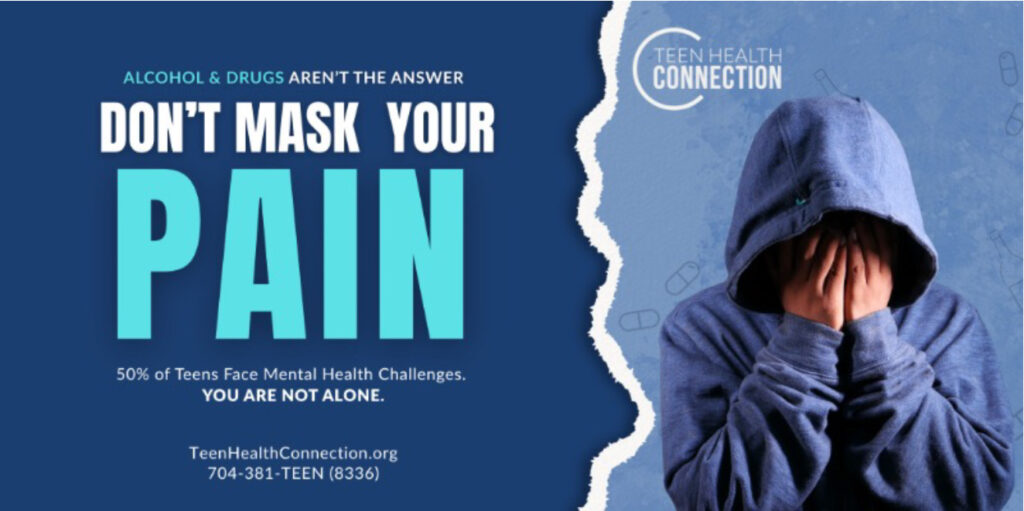
Teen Health Connection has placed billboards and electronic signs like the one above throughout Mecklenburg County highlighting our behavioral health services.


News Around Town: Jennifer Thomas named executive director of Teen Health Connection

October 29, 2025

News Around Town: Jennifer Thomas named executive director of Teen Health Connection

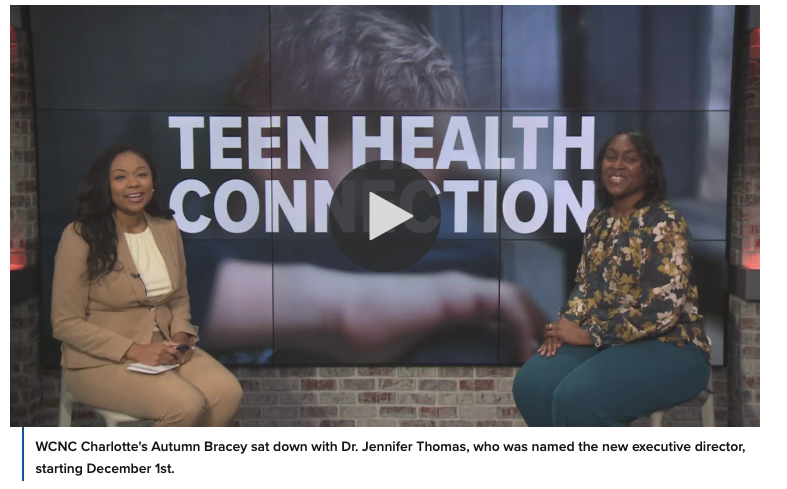
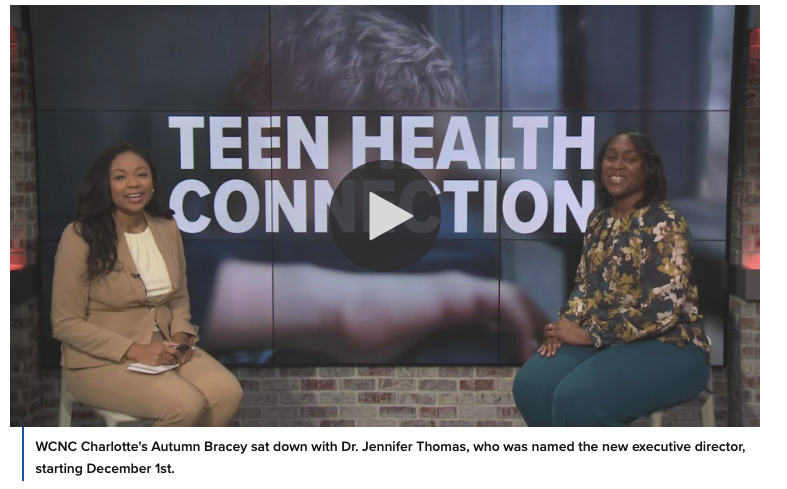
We’re excited to welcome Dr. Jennifer Thomas to the Teen Health Connection family! Her recent recognition in local media reflects her passion for improving adolescent health and her leadership in the Charlotte community. Learn more about Dr. Thomas and her work in the articles below.

https://www.bizjournals.com/charlotte/potmsearch/detail/submission/6565138/Dr_Jennifer_Thomas


WCNC TV Features New Executive Director, Dr. Jennifer Thomas

https://www.wcnc.com/video/news/local/teen-health-connection-enters-new-era/275-f25955b8-8d2c-46a3-9b25-1bc42c555c8c


Jennifer Thomas named executive director of Teen Health Connection


Message From Foundation For The Carolinas Institute For Philanthropic Leadership

October 21, 2025

MESSAGE FROM FOUNDATION FOR THE CAROLINAS INSTITUTE FOR PHILANTHROPIC LEADERSHIP:

Michael Marsicano Award for Philanthropic Leadership recipient: Libby Safrit

On October 14, 2025, IPL Awards Luncheon was a powerful reminder of what inspired, mission-driven leadership looks like.

We were proud to recognize this year’s Michael Marsicano Award for Philanthropic Leadership recipients: Libby Safrit, Executive Director of Teen Health Connection, and Stephanie Stenglein, CFRE, Associate Executive Director of Arts+.  Both have transformed their organizations through integrity, innovation, and impact.

Our Board Chair, Jim Kelley, shared powerful reflections on IPL’s mission and growth. Through Leadership Gift School (275 leaders from 109 organizations) and Emerging Leaders in Philanthropy (171 participants from 92 nonprofits), IPL continues to strengthen the leadership pipeline across the Carolinas. Jim also celebrated our partnership with the United Way of Greater Charlotte, whose Unite Charlotte cohort helped make this fall’s ELP our largest yet.

We were equally inspired by Michael Marsicano, who expressed his pride in the award that bears his name and gratitude to those who’ve contributed to its growing endowment – now at $370,000 and moving toward a $500,000 goal. He reminded us that nonprofit leaders are, in many ways, an extension of our democracy, helping ensure every community thrives through service, generosity, and leadership.

Deep gratitude to our event hosts:  Amy Tribble and The Mint Museum Uptown, and Bonita Buford and the Harvey B. Gantt Center for African-American Arts + Culture, Jim Kelley and The Catholic Diocese of Charlotte, Shannon Williams and Armstrong McGuire & Associates, and Michelle Hamilton, CFRE at Carter, Advancing Philanthropy Worldwide, and to our table hosts whose partnership made this celebration possible.

Dr. Jennifer Thomas Named New Executive Director of Teen Health Connection

October 15, 2025

FOR IMMEDIATE RELEASE


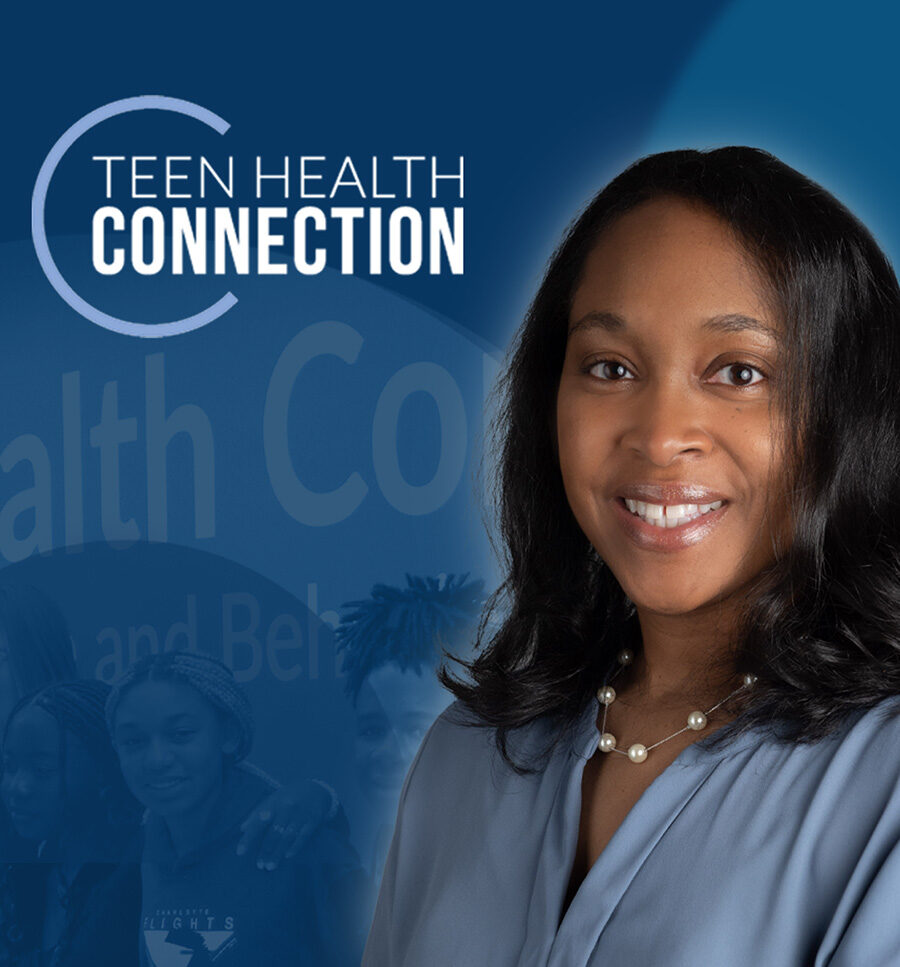
Dr. Jennifer Thomas Named New Executive Director of Teen Health Connection
Thomas Steps into the Role as Fourth Leader of the 33-Year-Old Organization


CHARLOTTE, NC – October 16, 2025 – Teen Health Connection, the leading provider of integrated medical and behavioral health services for adolescents and young adults in the Charlotte region, announced today the selection of Dr. Jennifer Thomas as the new Executive Director.

Dr. Thomas brings more than 15 years of experience as a behavioral health care leader and licensed psychologist focusing on adolescents and their families. Currently, Thomas serves as the Chief Psychologist with Teen Health Connection. In her current role, Thomas and her team provide behavioral health triage, assessments for youth involved with child welfare, and social work services for teens receiving specialized medical care. Thomas began her work at Teen Health Connection in 2012 when she was hired as the first full-time psychologist on the Assessment Services Team, including the Independent Psychological Assessments. Since that time, she has provided leadership and guidance resulting in tremendous growth and expansion of the work of Teen Health Connection, particularly through partnerships with Mecklenburg County and other organizations in the community. Her extensive history of leadership and innovation is known throughout the community through her strategic community partnerships and collaborations.

Thomas’ promotion comes as Teen Health Connection prepares for the retirement of current Executive Director Libby Safrit, who joined the organization in 1998. Safrit began as the first behavioral health clinician and was named Executive Director in 2009. Safrit has been a leader and advocate for integrated physical and behavioral healthcare for adolescents, and her name is truly synonymous with Teen Health Connection.

“I could not be more confident in Dr. Thomas’s ability to lead Teen Health Connection into its next chapter,” said Safrit. “Her heart for this work, her expertise, and her unwavering dedication will continue to elevate our organization locally and nationally. As I pass the torch, I do so knowing that Teen Health Connection is in the most capable hands.

Thomas clearly understands the future for Teen Health Connection and has a vision for how to serve teens and their families. “Teen Health Connection provides a safe space for all adolescents to receive the medical and behavioral health services they need,” Thomas explained. “I’m incredibly excited to enter this new role as Executive Director as we continue to grow our impact on the lives of teens in our community and take Teen Health Connection to the next level in integrated health care.”

“I look forward to working alongside a fabulous team of health experts who care tremendously about supporting the unique strengths and needs of teens and their families as they journey through the joys and challenges of adolescence,” said Thomas. “Teen Health Connection is needed now more than ever.”

Thomas received her Doctor of Philosophy in Clinical Psychology from the University of North Carolina at Chapel Hill. She completed her Predoctoral Psychology internship in Clinical Child Psychology with an emphasis on child trauma at the Duke University Medical Center. She also has a Master of Arts in Clinical Psychology and a Bachelor of Arts in Psychology, both from the University of North Carolina at Chapel Hill.

In addition to her work at Teen Health Connection, she has held positions in a variety of settings including community-based behavioral health agencies, a managed care organization, and within a university setting. Thomas has served on many community workgroups and committees including the Mecklenburg County Child Fatality Prevention and Protection Team and currently holds a position on the leadership team with the Children’s Alliance of Mecklenburg County.

Thomas will begin as Executive Director with Teen Health Connection on December 1, 2025.

ABOUT TEEN HEALTH CONNECTION

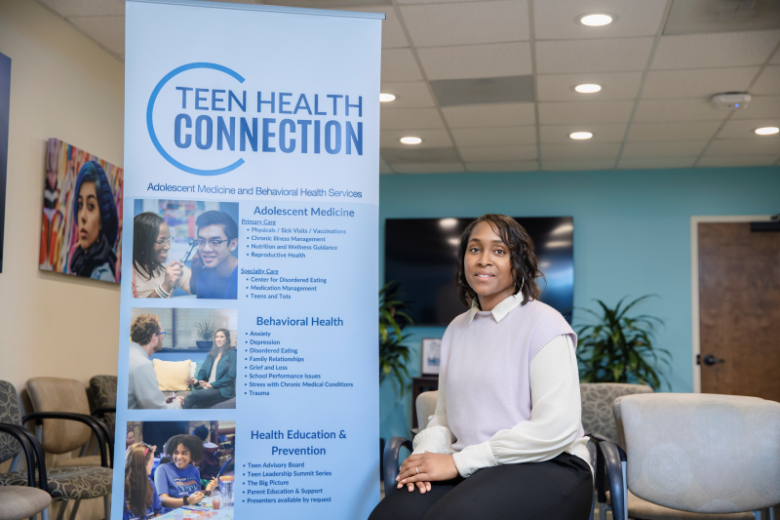
Teen Health Connection is the leading provider of integrated medical and behavioral health services for adolescents and young adults ages 11 through 25 in the Charlotte region. Through an exclusive community collaboration with Atrium Health, Teen Health Connection’s team of experts are positioned to meet the unique needs of adolescents and their families. Teen Health Connection’s team is comprised of medical providers and nurses, psychologists, behavioral health therapists and triage clinicians, community health educators, parent educators, and a research and evaluation team. Teen Health Connection’s mission is to improve the health of adolescents by providing physical and behavioral services, advocacy, education, leadership development, and research through connections among adolescents, parents, and the community. For more information, visit www.TeenHealthConnection.org

Worried about your Teen and Suicide?

September 3, 2025

Worried about your Teen and Suicide?

Schedule an appointment at Teen Health Connection today.

Primary care physicians, more than any other healthcare professional, are most likely to see a patient before a suicide attempt. At Teen Health Connection, we know the pivotal role we can play in our patients’ lives by asking the right questions.

Our integrated care model delivers developmentally specialized adolescent medicine, behavioral health care, and health education, and provides a “one-stop shop” for a teen’s health care needs. Our providers and staff are trained in trauma-informed care.  We conduct universal screening for depression, Adverse Childhood Experiences (ACEs), substance use. Why do we screen for these? 

The results of the CDC’s Youth Risk Behavior Survey revealed startling results on ACEs and suicide.

  • Adverse childhood experiences (ACEs) are common, with about three in four students (76.1%) experiencing 1+ ACEs and approximately one in five students (18.5%) experiencing 4+ ACEs.
  • Students with more ACEs were significantly more likely to engage in risky behaviors. The strongest associations were observed between experiencing 4+ ACEs and attempted suicide, seriously considered attempting suicide, and current prescription opioid misuse.

Learn more about what the 2023 Youth Risk Behavior Survey reveals about ACEs and suicide risk among high school students in the United States:

https://www.cdc.gov/mmwr/volumes/73/su/su7304a5.htm

What is done at Teen Health Connection to ask about suicide?

Teen Health Connection’s providers are trained in having conversations about suicide and have validated ways to ask questions. The best way to identify suicide risk in clinical settings is to ask the patient directly and listen to their answer. When asking about suicide, we use a validated screening tool, and provider flexibility allows for our team to truly listen to teens when they respond. Behavioral health triage clinicians work alongside our medical team to provide immediate assessment, intervention, and referrals to care as needed. Our on-site team of eleven behavioral health clinicians can provide ongoing trauma-informed care and therapy.

All patients age 12 and older who are medically and developmentally able to answer questions should be screened. Screening for depression is not sufficient to identify suicide risk, nor is asking only patients who report depression or other behavioral health concerns. Universal patient screening is a comprehensive strategy that promotes early detection and helps patients feel less alone with suicidal thoughts.

If my child reports suicidal thoughts, will they be hospitalized?

Not all young people who say they have thought about suicide should be sent for an emergency mental health evaluation. Your pediatrician will use information gathered from the Brief Suicide Safety Assessment (BSSA) to identify the next steps of care that appropriately match the level of suicide risk.

Teen Health Connection’s providers discuss their concerns with the teen and their parents using trauma-informed care principles and take the necessary steps to maintain the safety of the patient. Teen Health Connection is affiliated with and in close proximity to local emergency departments with behavioral health specialization and can make immediate connections to care as needed. We also have eleven trauma-informed behavioral health therapists on site to provide ongoing individual and family-based treatment.

RESOURCES FOR TEENS

Teen Link Help Line Call 1(866) TEENLINK (833-6546)
Teen Link is a confidential, anonymous, and non-judgmental telephone help line answered by teens each evening from 6-10 PM. Teen volunteers are trained to listen to your concerns and to talk with you about whatever is on your mind. No issue is too big or too small.

Teen Link Chat Visit 866TEENLINK.org
Teen Link offers Teen Link Chat, available through their website at www.866TEENLINK.org. Much like the line, teens can use Teen Link Chat to seek support from our teen volunteers on a variety of issues, including: bullying, drug and alcohol concerns, relationships, stress, and other teen issues. Teen Link accepts chats from 6-9:30 PM every day of the week. Teen Link Chat does not work well on cell phones, so we ask that you log on with a computer to chat.

Crisis Text Line Text HOME to 741741
Crisis Text Line serves anyone, in any type of crisis (doesn’t just mean suicide, it’s any painful emotion for which you need support) providing access to free, 24/7 support and information via a medium people already use and trust: text. A live, trained Crisis Counselor receives the text and responds, all from their secure online platform. The goal of any conversation is to get you to a calm, safe place.

The Trevor Project Call 1-866-488-7386
The leading national organization providing crisis intervention and suicide prevention services to lesbian, gay, bisexual, transgender, queer & questioning (LGBTQ) young people under 25. Text and online chat are also available at www.thetrevorproject.org.

RESOURCES FOR CAREGIVERS

▶ Suicide and Crisis Lifeline. Call 9-8-8 A national network of local crisis centers that provides free and confidential emotional support to people in suicidal crisis or emotional distress 24 hours a day, 7 days a week.

▶ American Foundation for Suicide Prevention. Visit afsp.org A voluntary health organization that gives those affected by suicide a nationwide community empowered by research, education, and advocacy to take action against this leading cause of death

▶ Suicide and Crisis Lifeline. Call 9-8-8 A national network of local crisis centers that provides free and confidential emotional support to people in suicidal crisis or emotional distress 24 hours a day, 7 days a week.

▶ American Foundation for Suicide Prevention. Visit afsp.org A voluntary health organization that gives those affected by suicide a nationwide community empowered by research, education, and advocacy to take action against this leading cause of death

RESOURCES FOR PROFESSIONALS

▶American Academy of Pediatrics Blueprint for Youth Suicide Prevention
https://www.aap.org/en/patient-care/blueprint-for-youth-suicide-prevention

▶US DHHS National Strategy for Suicide Prevention
https://www.hhs.gov/programs/prevention-and-wellness/mental-health-substance-use-disorder/national-strategy-suicide-prevention/index.html

▶SAMHSA Suicide Prevention Toolkits
https://www.samhsa.gov/about/digital-toolkits/suicide-prevention-month/toolkit

Reduce the Stigma – Reduce the Silence

September 2, 2025

Suicide is the…

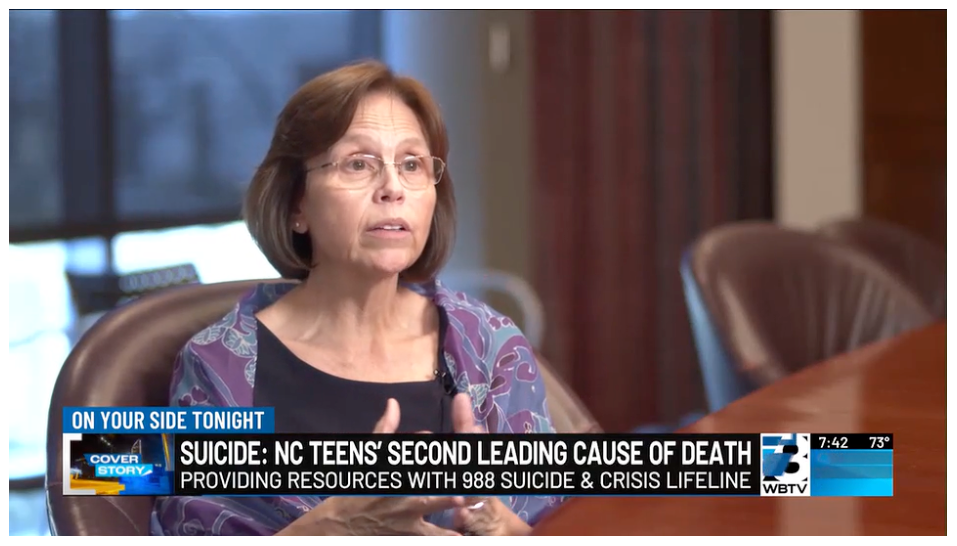
  • 12th leading cause of death in North Carolina
  • 2nd leading cause of death for ages 15-25
  • 4 in 10 high school students experience persistent feelings of sadness or hopelessness.
  • 2 in 10 high school students seriously considered attempting suicide.
  • 1 in 10 high school students attempted suicide.

afsp.org/statistics

Why is raising awareness so important?

  • Suicide impacts ALL populations of youth and adults.
  • Being open to talking about suicide means someone might talk to you when needed.
  • Knowing what action to take can save a life – yours or someone else’s.
  • Asking for help is hard – talking about it and having options makes it easier.

When you’re aware, you can help

Is it safe to ask teens directly if they are having thoughts of suicide?

YES – It is safe to ask teens if they are having thoughts of suicide. One of the most common myths about asking youth about suicide is that it will “put the idea into their heads.”

Multiple research studies have established that it is safe to ask young people about suicide. Asking directly about suicidal thoughts is important, as many youth will not raise the topic on their own. Most young people keep suicidal thoughts to themselves and may not bring up the topic on their own if they aren’t asked a direct question.

If you’re talking to teens, ensure your questions are asked in a non-judgmental way and follow it with questions that help build a personal connection. Allowing a young person to discuss their thoughts of suicide makes it safe to talk and may bring them relief.

Remember to get help from a clinician.

HOW TO START A CONVERSATION

  • Talk to them in private
  • Listen to their story
  • Tell them you care about them
  • Ask directly if they are thinking about suicide
  • Encourage them to seek treatment or to contact their doctor or therapist
  • Avoid debating the value of life, minimizing their problems, or giving advice

Simple Steps to Asking about Suicide:

If you feel that the threat is imminent, do not leave the person alone. A suicidal person must see a doctor or psychiatrist immediately. You may have to take them to the nearest hospital emergency room or call 9-8-8 or 9-1-1.


IF SOMEONE SAYS THEY ARE CONSIDERING SUICIDE

  • Take them seriously.
  • Reassure. Help is available, and suicidal feelings can be managed. There is medical help to treat depression and other illnesses that cause suicidal feelings.
  • Get Help. Don’t worry about breaking a promise or harming a relationship at this point. Friendships and relationships can be fixed.
  • Stay with them. If you feel the person isn’t in immediate danger, you can say things like, “I understand that you are in pain, and that you want the pain to stop”, and “I care about you and will do my best to help you.”
  • Follow through. Help find a doctor or a mental health professional. Be by the person’s side when that first phone call is made, or go along on the first appointment.
  • Help them remove lethal means. This includes access to firearms, weapons, and prescription and non-prescription medications.
  • Contact the National Suicide Prevention Lifeline by calling or texting 9-8-8 or by visiting 988LifeLine.org
  • Escort them to mental health services or an emergency room
  • Follow up. Check in. Even if you already talk regularly, have direct conversations about how they are doing, and if they still think about suicide.

If you or someone you know is struggling with suicidal thoughts, please seek help immediately.

Contact the National Suicide Prevention Lifeline by calling or texting 9-8-8 or by visiting 988LifeLine.org.

KNOW THE RISK FACTORS

  • Behavioral health disorders
  • Alcohol and other substance use
  • Hopelessness
  • Impulsive and/or aggressive tendencies
  • History of trauma or abuse
  • Major physical illnesses
  • Previous suicide attempts
  • Family history of suicide
  • Loss of relationship(s)
  • Easy access to lethal means
  • Local clusters of suicide
  • Lack of social support
  • Stigma associated with asking for help
    Exposure to suicide in real life or through the media

Risk factors make it more likely that someone will consider, attempt, or die by suicide. They don’t cause or predict a suicide attempt but are important to be aware of.

KNOW THE WARNING SIGNS

  • Talking about wanting to die or to kill themselves
  • Looking for a way to kill themselves, like searching online or buying a gun
  • Talking about feeling hopeless or having no reason to live
  • Talking about feeling trapped or in unbearable pain
  • Talking about being a burden to others
  • Increasing the use of alcohol or drugs
  • Acting anxious or agitated; behaving recklessly
  • Sleeping too little or too much
  • Withdrawing or isolating themselves
  • Showing rage or talking about seeking revenge
  • Extreme mood swings

Some warning signs may help you determine if a loved one is at risk for suicide, especially if the behavior is new, has increased, or seems related to a painful event, loss, or change.

Resources

afsp.org| American Academy of Pediatrics (AAP.org)


Back to School: Essentials for a Healthy and Successful Start

August 15, 2025

Back to School: Essentials for a Healthy and Successful Start

As summer winds down and the back-to-school season approaches, it is important for parents and students to prepare for a smooth transition. Ensuring that children and teens are ready for the academic year goes beyond shopping for school supplies – It involves fostering habits that promote health and well-being. Four key areas that can help are eating breakfast every morning, getting enough sleep, getting a sports physical, and being up to date on all immunizations.

The Power of Breakfast

“Breakfast is the most important meal of the day,” tends to sound like a cliche saying, but this saying holds true, especially for children and teens. A nutritious breakfast provides the energy and nutrients needed to start the day right. Research shows that children and teens who eat breakfast regularly perform better academically, have improved concentration, and are less likely to be tardy or absent (The Journal of School Health).
A balanced breakfast should include a mix of protein, whole grains, and fruits or vegetables. For example:

  • A whole-grain cereal with milk and a banana.
  • Scrambled eggs with whole-wheat toast and a side of berries.

The Importance of Sleep

Adequate sleep is crucial for everyone of all ages, but it is especially important for children and teens. In fact, they need more sleep than adults due to their growing bodies and developing brains. The American Academy of Pediatrics recommends 9-12 hours of sleep per night for children aged 6-12, and 8-10 hours for teenagers aged 13-18.
To help establish a healthy sleep routine for your child or teen:

  • Set a consistent bedtime and wake-up time, even on the weekends.
  • Create a calming bedtime environment by limiting screen time and encourage a relaxing activity like reading. Try getting an old-school alarm clock and leave phones out of the bedroom to limit bedtime distractions.

Ensuring your child gets enough sleep can improve their mood, behavior, and academic performance.

The Necessity of a Sports Physical

For any child or teen that is planning to participate in sports, a sports physical is necessary. A sports physical, usually conducted by a healthcare professional, assesses a child’s fitness level and ability to safely engage in athletic activities. The physical typically includes a review of medical history, a physical examination, and sometimes additional tests.
A sports physical can identify any potential health issues that could interfere with participation in sports and provide an opportunity to discuss injury prevention, nutrition, and other health concerns. It is a proactive step to ensure your child or teen is ready for the physical demands of their chosen sport.
If your teen needs a sports physical for the upcoming school year, call Teen Health Connection at (704) 381-TEEN (8336) to set up an appointment.

The Importance of Immunizations

Updating immunizations is a critical part of back-to-school preparation. Vaccines protect children and teens from serious diseases and prevent outbreaks in schools and communities. Common vaccines required for school entry include those for measles, mumps, rubella (MMR), diphtheria, tetanus, and pertussis (DTaP), and polio (IPV).
Additionally, the Centers for Disease Control and Prevention (CDC) recommends the HPV vaccine for preteens, the meningococcal vaccine for teenagers, and the annual flu shot for all school-aged individuals. Make sure to check with your child or teen’s school and healthcare provider to ensure all immunizations are up to date.
If your teen needs immunizations for the upcoming school year, call Teen Health Connection at (704) 381-TEEN (8336) to set up an appointment.

Tips for Parents

As the new school year approaches, it is a pivotal time for parents of teens to help them transition smoothly and set the stage for a successful academic year. Here are some essential tips to help support your teen:

  • Establish a Routine

Teenagers thrive on routine, even if they might not admit it. Help your teen adjust to the school schedule by establishing a consistent daily routine before school begins. This includes setting regular times for waking up, eating meals, doing homework, and going to bed. A predictable routine helps reduce stress and ensures they are well-rested and prepared for school.

  • Encourage Open Communication

Maintain open lines of communication with your teen. Encourage them to talk about their feelings, concerns, and goals for the upcoming school year. Listen actively and offer support without judgement. Being approachable and understanding can make a significant difference in their ability to navigate the challenges of adolescence and school life.

  • Create a Study-Friendly Environment

Set up a dedicated study area that is quiet, well-lit, and free from distractions. Ensure your teen has all the necessary supplies, such as a comfortable chair, a desk, and any required school materials. Establishing a conducive environment for studying can help improve focus and productivity.

  • Promote Healthy Habits

Healthy habits are crucial for your teen’s well-being and academic performance. Encourage them to eat balanced meals, including a nutritious breakfast, and stay hydrated throughout the day. Stress the importance of regular exercise and sufficient sleep. Teens need 8-10 hours of sleep per night, so help them establish a bedtime routine that allows for adequate rest.

  • Stay Involved

While teens often seek independence, parental involvement is still important. Stay informed about your teen’s academic progress, school events, and extracurricular activities. Attend parent-teacher conferences and school meetings whenever possible. Your involvement shows your teen that you care about their education and supports their overall success.

  • Set Realistic Expectations

Encourage your teen to set realistic academic and personal goals. Help them break down larger goals into manageable steps and celebrate their achievements along the way. Avoid placing undue pressure on them to achieve perfection. Instead, focus on effort and improvement, fostering a growth mindset.

  • Monitor Technology Use

Teens are often glued to their devices, which can interfere with their sleep, focus, and overall well-being. Set boundaries for screen time, especially during homework and study hours. Encourage them to take breaks from screens and engage in other activities such as reading, hobbies, or spending time outdoors.

  • Support Extracurricular Involvement

Extracurricular activities provide valuable opportunities for personal growth, social interaction, and skill development. Encourage your teen to participate in sports, clubs, or other interests. Balance is key, so help them manage their time to ensure these activities do not overwhelm their academic responsibilities.

  • Address Behavioral Health

Behavioral health is a critical aspect of overall well-being. Be attentive to signs of stress, anxiety, or depression in your teen. Encourage them to talk about their feelings and seek professional help if needed. Promote relaxation techniques such as mindfulness, meditation, or yoga to help them manage stress.

If your teen needs help tackling back-to-school anxiety or other behavioral health challenges, contact our Behavioral Health Triage Clinicians at (704) 381-8379 to get started.

  • Plan Ahead

Help your teen develop organizational skills by teaching them to use planners or digital calendars to keep track of their assignments, deadlines, and activities. Planning ahead can reduce last-minute stress and help them manage their time effectively.
Supporting your teen through the back-to-school transition involves a combination of establishing routines, promoting healthy habits, staying involved, and fostering open communication. By providing guidance and encouragement, you can help your teen navigate the challenges of adolescence and set them up for a successful and fulfilling school year.

Teen Health Connection is Here to Help!

Preparing for the new school year involves more than just purchasing supplies and new clothes. By emphasizing the importance of a healthy breakfast, adequate sleep, regular sports physicals, and up-to-date immunizations, parents can help set their children or teenagers up for a successful and healthy school year. These practices not only contribute to better academic performance but also promote overall well-being, ensuring that students are ready to thrive both in and out of the classroom.
Regardless of your family’s needs this time of year, Teen Health Connection is here to help! Reach out to 704-381-TEEN (8336) to learn more about how we can serve you and your teen during this transitional period.

Resources

Hearst, Mary O, et al. “Barriers, Benefits, and Behaviors Related to Breakfast Consumption Among Rural Adolescents.” The Journal of School Health, U.S. National Library of Medicine, Mar. 2016, www.ncbi.nlm.nih.gov/pmc/articles/PMC4825869/. 17 July 2024.


High school seniors share struggles with eating disorder to inspire others

February 12, 2025

High school seniors share eating disorder struggles to inspire…

CHARLOTTE — Teenagers face mounting pressure to look a certain way or try new things to stay thin due to everything between online influencers and diet culture.

Over 30 million people across the U.S. suffer from eating disorders, with 95% of them beginning in adolescence, according to the National Eating Disorder Association.

Two high school seniors spoke with Channel 9’s Union County reporter, Gina Esposito, about their struggles and how they turned their pain into support for others.

“I passed out in my biology class sophomore year because I hadn’t eaten,” said student Sophie Vasic, a senior at Marvin Ridge High School.

Vasic said she remembers skipping meals over exercising, criticizing her body, and feeling “humiliated. I didn’t want to tell people about it.”

Little did Vasic know that her friend, Pari Patel, another senior at her school, was also struggling with anorexia.

“I would honestly contribute my first bad thought about my body to like sixth grade,” Patel said. “She shared a lot of similar thoughts I did, and I just remember feeling nothing but concern for her. And that concern sparked a thought in me. Why am I concerned for my friend and not myself?”

Betsy Thompson, with Teen Health Connection, said she’s seen how eating disorders can consume a teenager’s every waking thought.

“Those thoughts are loud, right?” said Thompson, licensed mental health counselor and manager of Behavioral Health Services at Teen Health Connection.

The organization offers many programs, services, advocacy, and more to help improve the health of adolescents.

“Our eating disorder work here continues to grow with the trends on social media and diet culture, in general, and just all the other things,” Thompson said. “It is just one more thing that teens are having to navigate.”

Thompson works with dietitians and doctors to create treatment plans for 11- to 25-year-old clients.

Dr. Shamika Dixon said 75% of teens they see are girls struggling with anorexia, which can be deadly if left untreated.

“I always tell parents, ‘You must pay attention,’” said Dixon, M. D., Adolescent Medicine specialist.

Dixon said parents need to know how they can help.

“The ultimate goal is helping you and your child relearn what it is to eat, to nourish and feed their body and to deal with the thoughts and the feelings that led them here, so that they can go on to live healthy lives,” Dixon said.

It often takes more than professional help.

Leaning on each other led to healthier habits for Vasic and Patel.

“Something we did a lot was trying new stuff together to try and motivate ourselves to eat,” said Patel.

The girls also help each other limit triggers on social media and said they no longer compare their bodies to those of influencers.

“I’m glad I get to that point, but I know so many young girls are not at that point,” Vasic said. “They see it, and they get stuck on it. They think, ‘Why don’t I look like that? How do I look like it?’”

The girls started the nonprofit, Love Everybody, which focuses on raising awareness about all eating disorders and connecting people to resources.

Twenty people have reached out with many of them being their peers.

Many of them just wanted someone to talk to and affirm that they are not alone.

They hope that by sharing their stories, others will get help, which could be life-changing.

“When I look at Sophie, I don’t ever see who what she looks,” Patel said. “I see my friend who is caring and sweet, who makes me laugh. Losing that person when she was going through the depths of her eating disorder was really heartbreaking and to see who she is now, now that she’s better, is my favorite thing.”

Media Source

By WSOCTV.com News Staff
February 09, 2026 at 11:27 pm EST