



Why Sleep Matters for Teens
Research and Evaluation Spotlight
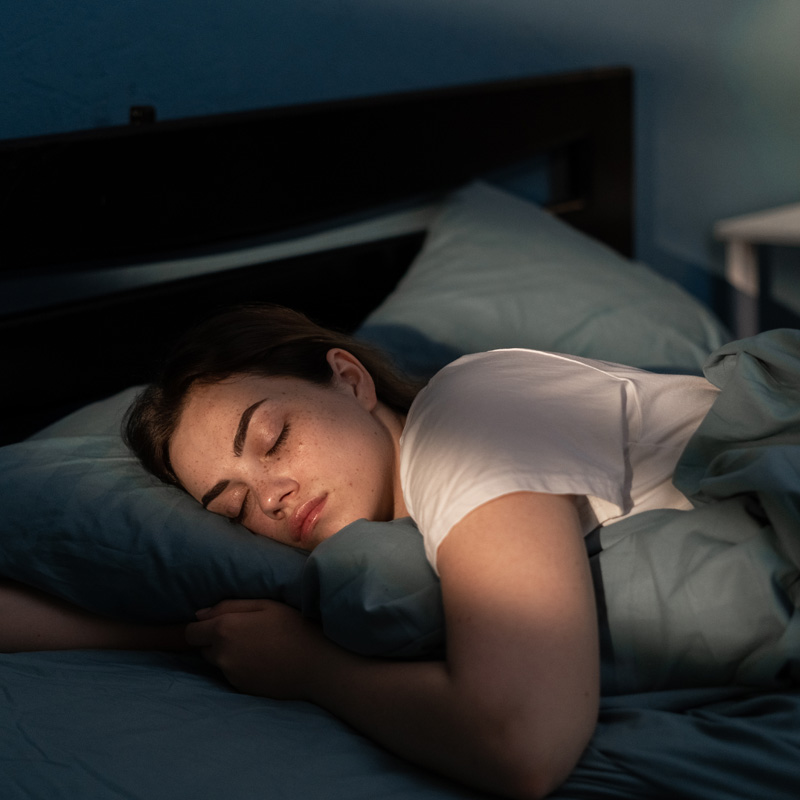
People spend approximately 1/3 of their lives asleep–it is an essential biological process often overlooked when people think about improving their health and wellbeing. During sleep, the brain and body undergo important processes that support learning, memory, emotional regulation, physical health, and recovery from daily stressors. Teens generally need more sleep; however, biological changes during adolescence make it harder for teens to get consistent quality sleep. Why? Because teens naturally feel more awake at night due to biological changes. In addition, early school start times, academic responsibilities, extracurricular activities, stress, and technology use make it even more difficult for adolescents to obtain the sleep they need. When teens experience ongoing sleep difficulties, they may struggle with daytime sleepiness, concentration, decision-making, emotional control, academic performance, and participation in daily activities.
Sleep has long been associated with mental health outcomes across the lifespan, and researchers now better understand that this relationship is bidirectional – sleep problems are not only symptoms of underlying mental health concerns, but they often come first and are a predictor of problems to come. Lack of sleep has been found to contribute to the development of depression, anxiety, substance use, and psychosis, and among those experiencing exposure to trauma, a higher likelihood of developing PTSD. That’s partly because sleep is closely connected to both the body’s stress-response system, meaning that poor sleep results in elevated cortisol, changes in metabolism and immune response, and emotional reactivity.
As such, sleep may be particularly important for adolescents who have experienced adverse childhood experiences (ACEs). ACEs include stressful or potentially harmful experiences that occur during childhood or adolescence, such as physical and emotional abuse, neglect, household dysfunction, exposure to community or neighborhood violence, bullying, discrimination, separation from caregivers, or other serious hardships. While these experiences do not affect every young person in the same way, exposure to multiple forms of ACEs has been shown to increase the likelihood of physical and mental health problems across the lifespan. Research is still developing around what makes certain people resilient in the face of these experiences, and sleep may represent an important and potentially modifiable component of the relationship between adversity and health outcomes. Stress due to ACEs exposure may make it harder for teens to fall asleep, stay asleep, or feel rested. At the same time, poor sleep may leave adolescents with fewer emotional, cognitive, and physical resources for managing stress.
Teen Health Connection is currently conducting a study examining the relationship between ACEs, sleep, and health outcomes among adolescents ages 12 to 17. The study considers both conventional ACEs and broader forms of adversity that may be particularly relevant to young people’s lives. It examines whether adolescents who report exposure to more ACEs also report greater sleep disturbance, including difficulties falling asleep, staying asleep, and feeling satisfied with their sleep. The study also looks beyond what happens at night by assessing how sleep problems may affect adolescents during the day. Specifically, the study examines several forms of sleep-related impairment, including daytime sleepiness, difficulty thinking or concentrating, emotional or behavioral challenges, and difficulty completing everyday tasks. It then considers whether nighttime sleep disturbance and daytime impairments may help explain the relationships between ACE exposure and symptoms of anxiety, depression, and physical complaints. By better understanding how adversity, sleep, and adolescent health are connected, this research may help identify opportunities for earlier screening, prevention, and support. While sleep cannot erase difficult experiences, it is a health behavior that can be easily evaluated and addressed, offering an important pathway for strengthening adolescent well-being.
For more information on better sleep
Visit:https://teenhealthconnection.org/teenhealthconnectionbettersleepworkbook/
Written By Katherine Hogan, PhD