


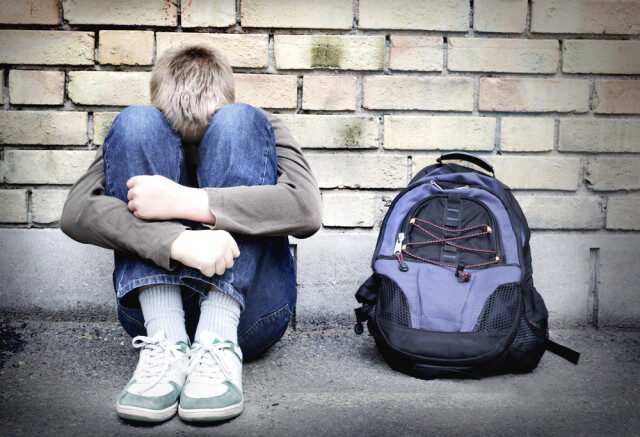

Housing Instability and Youth: Why Awareness Matters
For teens and young adults, housing instability doesn’t always look like someone living on the streets or staying in a shelter. It may look like staying with different friends or relatives, sleeping on a couch, or constantly moving from one temporary living situation to another without knowing where they’ll go next.
Youth homelessness remains a significant issue across the country and in our local community. According to the National Council of State Legislators (NCSL), an estimated 4 million young people between the ages of 13 and 25 experienced some form of homelessness in 2025. Closer to home, in North Carolina, in a single night, nearly 25% of unhoused individuals are youth under the age of 24. These numbers reflect the real challenges many young people face in securing a safe and stable place to live.
The burden of housing insecurity is not experienced equally. Black and African American youth had an 83% higher risk of reporting homelessness in the U.S. than white youth while Hispanic youth are 33% more likely. Young parents and unmarried youth also make up a significant portion of those navigating housing instability. LGBTQ+ youth experience a 120% higher risk of becoming homeless after coming out to their families. Additionally, a person’s identity can intersect with multiple demographic categories and put them at an even higher risk of homelessness.
While homelessness can happen for many reasons, poverty remains one of the strongest contributing factors. As a result, there is a good chance that someone in your neighborhood, school, workplace, or social circle is experiencing housing insecurity. Many young people facing homelessness are not visibly unhoused. Instead, they are doing everything they can to find temporary places to stay while managing school, work, and daily responsibilities. Some are separated from their families due to age restrictions at shelters, while others may be coping with family conflict, financial hardship, or a lack of support at home.
At Teen Health Connection, we understand that a young person’s health and well-being are closely connected to their environment and access to basic needs. Through our services and community partnerships, we work to ensure teens have the resources, support, and connections they need to navigate challenges and build brighter futures.
This November, we encourage parents, caregivers, educators, and community members to learn more about youth homelessness and the realities many young people face. By increasing awareness, showing compassion, and connecting teens to available resources, we can help create a community where every young person has access to safety, stability, and the opportunity to thrive.
Resources for Teens & Families
Teen Health Connection Triage Team: Connects families to community-based services and resources, as well as resources available directly through Teen Health Connection. Contact TeenHealthConnection@TeenHealthConnection.org or call (704) 381-8336 for assistance.
The Relatives Youth Crisis Center: The Relatives Crisis Center serves youth ages 7-17 who need a safe place to stay because they have run away from home, are homeless, or are in transition under the care of the Department of Social Services.
The McKinney-Vento Homeless Assistance Act Programs: The McKinney-Vento Program meets the needs of homeless students attending Charlotte-Mecklenburg Schools by addressing academic challenges and family issues affecting their success in school.
The Family and Youth Services Bureau (FYSB): The FYSB supports street outreach, emergency shelters and longer-term transitional living and maternity group home programs to serve and protect young people.
Sources:
U.S. Department of Housing and Urban Development, Office of Community Planning and Development. (2026, May). The 2025 annual homelessness assessment report (AHAR) to Congress, Part 1: Point-in-time estimates of homelessness. https://www.hud.gov/news/hud-no-26-037
National Conference of State Legislatures. (2024, July 15). Youth homelessness overview. https://www.ncsl.org/human-services/youth-homelessness-overview
Covenant House. (n.d.). Youth Homelessness and People of Color. https://www.covenanthouse.org/homeless-issues/people-of-color