



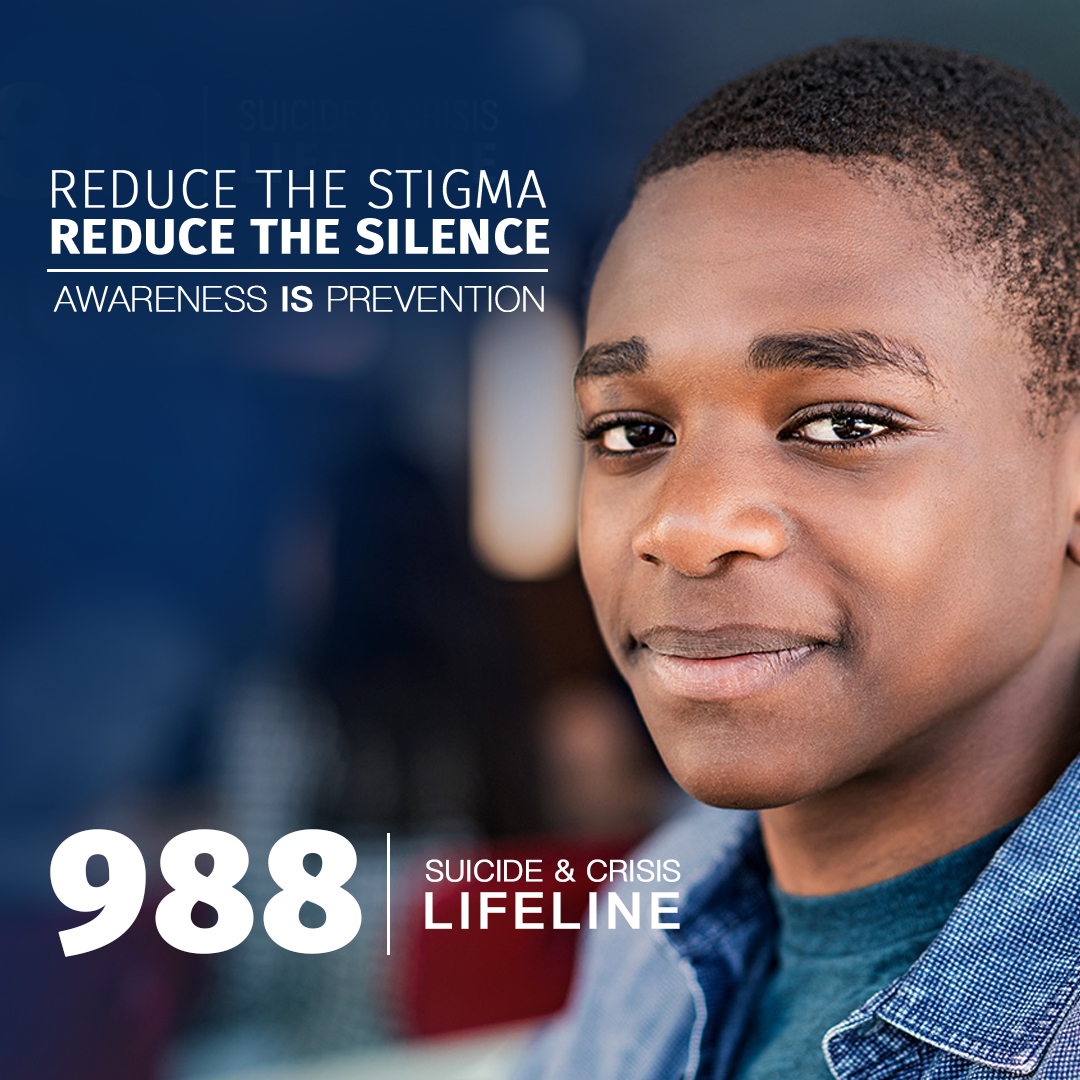
Worried about your Teen and Suicide?
Schedule an appointment at Teen Health Connection today.
Primary care physicians, more than any other healthcare professional, are most likely to see a patient before a suicide attempt. At Teen Health Connection, we know the pivotal role we can play in our patients’ lives by asking the right questions.
Our integrated care model delivers developmentally specialized adolescent medicine, behavioral health care, and health education, and provides a “one-stop shop” for a teen’s health care needs. Our providers and staff are trained in trauma-informed care. We conduct universal screening for depression, Adverse Childhood Experiences (ACEs), substance use. Why do we screen for these?
The results of the CDC’s Youth Risk Behavior Survey revealed startling results on ACEs and suicide.
- Adverse childhood experiences (ACEs) are common, with about three in four students (76.1%) experiencing 1+ ACEs and approximately one in five students (18.5%) experiencing 4+ ACEs.
- Students with more ACEs were significantly more likely to engage in risky behaviors. The strongest associations were observed between experiencing 4+ ACEs and attempted suicide, seriously considered attempting suicide, and current prescription opioid misuse.
Learn more about what the 2023 Youth Risk Behavior Survey reveals about ACEs and suicide risk among high school students in the United States:
https://www.cdc.gov/mmwr/volumes/73/su/su7304a5.htm
What is done at Teen Health Connection to ask about suicide?
Teen Health Connection’s providers are trained in having conversations about suicide and have validated ways to ask questions. The best way to identify suicide risk in clinical settings is to ask the patient directly and listen to their answer. When asking about suicide, we use a validated screening tool, and provider flexibility allows for our team to truly listen to teens when they respond. Behavioral health triage clinicians work alongside our medical team to provide immediate assessment, intervention, and referrals to care as needed. Our on-site team of eleven behavioral health clinicians can provide ongoing trauma-informed care and therapy.
All patients age 12 and older who are medically and developmentally able to answer questions should be screened. Screening for depression is not sufficient to identify suicide risk, nor is asking only patients who report depression or other behavioral health concerns. Universal patient screening is a comprehensive strategy that promotes early detection and helps patients feel less alone with suicidal thoughts.
If my child reports suicidal thoughts, will they be hospitalized?
Not all young people who say they have thought about suicide should be sent for an emergency mental health evaluation. Your pediatrician will use information gathered from the Brief Suicide Safety Assessment (BSSA) to identify the next steps of care that appropriately match the level of suicide risk.
Teen Health Connection’s providers discuss their concerns with the teen and their parents using trauma-informed care principles and take the necessary steps to maintain the safety of the patient. Teen Health Connection is affiliated with and in close proximity to local emergency departments with behavioral health specialization and can make immediate connections to care as needed. We also have eleven trauma-informed behavioral health therapists on site to provide ongoing individual and family-based treatment.
RESOURCES FOR TEENS
▶ Teen Link Help Line Call 1(866) TEENLINK (833-6546)
Teen Link is a confidential, anonymous, and non-judgmental telephone help line answered by teens each evening from 6-10 PM. Teen volunteers are trained to listen to your concerns and to talk with you about whatever is on your mind. No issue is too big or too small.
▶ Teen Link Chat Visit 866TEENLINK.org
Teen Link offers Teen Link Chat, available through their website at www.866TEENLINK.org. Much like the line, teens can use Teen Link Chat to seek support from our teen volunteers on a variety of issues, including: bullying, drug and alcohol concerns, relationships, stress, and other teen issues. Teen Link accepts chats from 6-9:30 PM every day of the week. Teen Link Chat does not work well on cell phones, so we ask that you log on with a computer to chat.
▶ Crisis Text Line Text HOME to 741741
Crisis Text Line serves anyone, in any type of crisis (doesn’t just mean suicide, it’s any painful emotion for which you need support) providing access to free, 24/7 support and information via a medium people already use and trust: text. A live, trained Crisis Counselor receives the text and responds, all from their secure online platform. The goal of any conversation is to get you to a calm, safe place.
▶ The Trevor Project Call 1-866-488-7386
The leading national organization providing crisis intervention and suicide prevention services to lesbian, gay, bisexual, transgender, queer & questioning (LGBTQ) young people under 25. Text and online chat are also available at www.thetrevorproject.org.
RESOURCES FOR CAREGIVERS
▶ Suicide and Crisis Lifeline. Call 9-8-8 A national network of local crisis centers that provides free and confidential emotional support to people in suicidal crisis or emotional distress 24 hours a day, 7 days a week.
▶ American Foundation for Suicide Prevention. Visit afsp.org A voluntary health organization that gives those affected by suicide a nationwide community empowered by research, education, and advocacy to take action against this leading cause of death
▶ Suicide and Crisis Lifeline. Call 9-8-8 A national network of local crisis centers that provides free and confidential emotional support to people in suicidal crisis or emotional distress 24 hours a day, 7 days a week.
▶ American Foundation for Suicide Prevention. Visit afsp.org A voluntary health organization that gives those affected by suicide a nationwide community empowered by research, education, and advocacy to take action against this leading cause of death
RESOURCES FOR PROFESSIONALS
▶American Academy of Pediatrics Blueprint for Youth Suicide Prevention
https://www.aap.org/en/patient-care/blueprint-for-youth-suicide-prevention
▶US DHHS National Strategy for Suicide Prevention
https://www.hhs.gov/programs/prevention-and-wellness/mental-health-substance-use-disorder/national-strategy-suicide-prevention/index.html
▶SAMHSA Suicide Prevention Toolkits
https://www.samhsa.gov/about/digital-toolkits/suicide-prevention-month/toolkit